Building a more resilient, inclusive, and trusted emergency communications system for Canada
An invitation to collaborate
Across Canada, communities are facing more frequent and complex emergencies — from extreme weather and wildfires to infrastructure failures and public safety incidents. These events have underscored a simple reality: reliable, local, trusted communication saves lives.
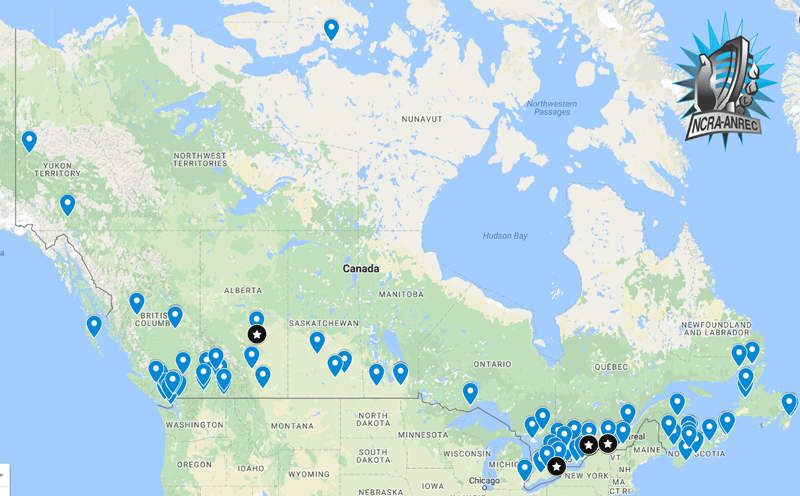
Community, campus, and Indigenous radio stations are already playing this role every day. They are often the last-mile broadcasters in rural, remote, and underserved communities — and, in many cases, the only local media remaining on air when other systems fail.
This page outlines a high-level framework for a broader Emergency Broadcasting and Community Media Resilience Plan being advanced by the National Campus and Community Radio Association (NCRA/ANREC), in collaboration with sector partners. It is intended to build awareness, invite alignment, and generate momentum among governments, funding bodies, industry partners, and the public.
On this page
- Why emergency broadcasting matters
- Our focus areas
- What community broadcasters already do
- How this work connects to national systems
- Current status
- An invitation to collaborate
Why emergency broadcasting matters
In many emergencies, digital systems degrade quickly. Power outages, network congestion, infrastructure damage, and geographic isolation all limit access to online information — often at the exact moment communities need clarity most.
Local radio continues to function when other systems fail because it is:
-Broadcast-based, not device-dependent
-Locally staffed and locally trusted
-Accessible without data plans or broadband
-Capable of continuous, real-time updates
Across the country, community broadcasters have remained on air during hurricanes, wildfires, floods, and prolonged power outages — providing verified local information, coordinating with municipalities, and supporting emergency responders and residents alike.
Public trust matters in emergencies. Community broadcasters are embedded in the communities they serve, broadcasting in local languages, reflecting local realities, and maintaining long-standing relationships with listeners and local authorities.

Our focus areas
The broader plan focuses on strengthening emergency broadcasting capacity before emergencies occur, so systems, people, and partnerships are ready when they are needed most.
1. Training and preparedness before emergencies
Including local, multilingual, and accessible communication
Emergency broadcasting is not improvised — it must be practiced.
This work focuses on:
-Training broadcasters (including volunteers and after-hours staff) to respond to emergency situations
-Clear protocols for interrupting programming and delivering verified information
-Coordination with local emergency management offices
-Accessibility, language, and cultural considerations to ensure information reaches everyone
Preparedness at the local level reduces confusion, delays, and risk when emergencies unfold.
2. Broadcast infrastructure resilience
Power, transmitters, and redundancy
Emergency communication depends on an infrastructure that can withstand disruption.
Key areas include:
-Backup power (generators, fuel capacity, redundancy)
-Resilient transmission systems
-On-site and local infrastructure that does not rely on internet connectivity
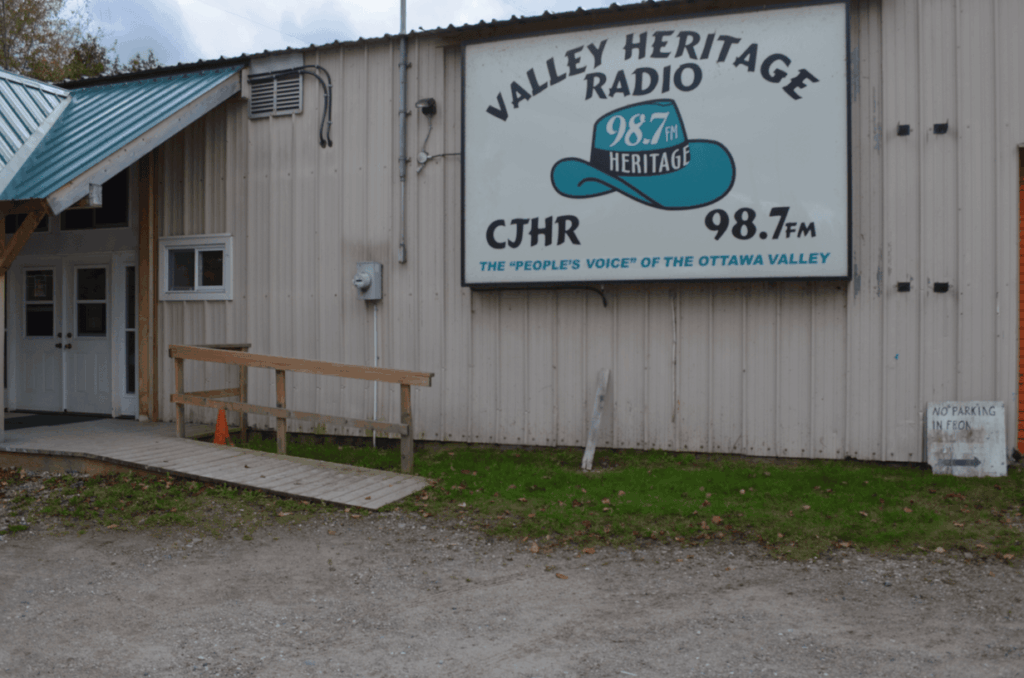
-Practical, scalable upgrades for small and rural stations
Some community stations already operate with multi-day broadcast capacity during outages; others require modest investments to reach that level of resilience.
3. Public trust and verified local information
In emergencies, misinformation spreads quickly.
Community broadcasters:
-Provide verified, community-specific information
-Have direct knowledge of local geography, services, and conditions
-Serve as trusted intermediaries between authorities and residents
Strengthening this role improves public confidence and compliance with emergency guidance.

4. Strengthening last-mile emergency broadcasting
Reducing single-point-of-failure risks
A resilient emergency alerting system cannot rely on a single channel or technology.
This work supports:
-A diversified broadcasting ecosystem
-Redundancy across platforms and regions
-Stronger coordination between local, regional, and national actors
-Reduced dependence on any one system failing under stress
Community broadcasting strengthens the overall emergency communications ecosystem rather than replacing existing systems.

What community broadcasters already do
Across Canada, community radio stations:
-Remain on air during prolonged power outages
-Broadcast emergency updates street by street and community by community
-Coordinate directly with municipalities and first responders
-Operate in rural, remote, and Indigenous communities with limited alternatives
-Broadcast in multiple languages, including Indigenous and minority languages
In some regions, community radio is the most trusted source of information during emergencies, surpassing national and commercial outlets.
These contributions already exist — the opportunity now is to support, standardize, and scale them.
How this work connects to national systems
This initiative is complementary to existing national emergency alerting and public safety systems.
It focuses on:
-What happens before emergencies, through preparedness and training
-What happens after alerts, through ongoing, local information
-Gaps related to local context, accessibility, and resilience
The broader plan recognizes the importance of national alerting systems while addressing areas they were not designed to solve alone.

Current status
-Elements of this framework were referenced in NCRA/ANREC’s submissions to the CRTC as part of emergency broadcasting and alerting proceedings.
-A summary version of the broader plan has been shared in early discussions with federal officials, including Public Safety stakeholders.
-Initial conversations have also taken place with Members of Parliament and sector partners.
This page presents a public-facing outline only. A more detailed plan, including implementation models and costing, exists and can be shared through direct engagement.
An invitation to collaborate
Building a resilient emergency communications system requires coordination across sectors.
We welcome conversations with:
-Government departments and agencies
-Funding bodies and foundations
-Broadcasters and media organizations
-Emergency management partners
-Industry and infrastructure partners
If you are interested in learning more or exploring collaboration, please contact:
A broader public call for participation and engagement will follow as this work advances.
Our measure of success
Success is a funded, sustainable training and preparedness system that strengthens emergency broadcasting capacity — and, in doing so, helps save lives.